
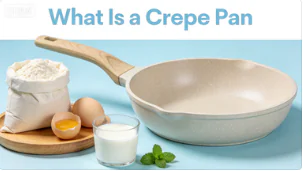
What Is a Crepe Pan? Definition, Features, and Best Uses Explained
Crepes are delicate, thin pancakes enjoyed worldwide, and making them perfectly requires the right cookware. While regular frying pans can do the job, a crepe pan is designed specifically to produce evenly thin, golden crepes with minimal effort. But what exactly is a crepe pan? How is it different from a standard skillet? And can you use it for other cooking tasks like making pancakes or heating tortillas? This guide dives deep into the definition, features, materials, usage tips, seasoning requirements, oven safety, induction compatibility, and more. Whether you’re a beginner home cook or a professional chef, this complete resource will help you understand everything about crepe pans—and how to choose the best one for your kitchen. 1)What Is a Crepe Pan? A Clear Definition and Key Characteristics A crepe pan is a flat, round cooking pan with very shallow or nearly non-existent sides, designed to help spread batter thinly and flip crepes easily. The shape is optimized for speed, control, and smooth release of delicate batter. 1. Low Sides: Why Do Crepe Pans Have Low Sides? The most recognizable characteristic of a crepe pan is its low sides, typically 1–2 cm tall. Low sides offer three major benefits: 1.1 Easy spreading –

Top 10 Cookware Manufacturers in China 2026 — The Ultimate Wholesale Guide
Introduction As one of the Top 10 Cookware Manufacturers in China 2026, Cooker King and Kobach are leading the charge in the ever-evolving world of culinary innovation. The cookware industry has experienced remarkable transformations, with brands striving to meet the demands of modern consumers. Both Cooker King and Kobach stand out as exemplary players in the market, each offering unique blends of affordability, style, and functionality. Catering to the needs of home cooks, these brands inspire culinary creativity across kitchens worldwide. In this article, we delve into the business models, popular product categories, brand development, and achievements of Cooker King and Kobach, showcasing how they’ve carved their niches in a competitive landscape. 1.What Are the Top Cookware Manufacturers in China 2026? As the global demand for high-quality cookware continues to rise, China remains at the forefront of the cookware manufacturing industry. In 2026, our analysis identifies ten prominent cookware manufacturers who are leading innovation and setting standards in quality. These companies vary in specialization, from nonstick cookware factories to stainless steel cookware suppliers, catering to diverse consumer needs. Understanding these manufacturers provides insights into the dynamics of the cookware market and the potential for successful partnerships in wholesale cookware distribution. 1.1
What Is a Saute Pan? Understanding Its Design and BestCooking Uses
Introduction What is a saute pan? More than just a basic pot, it is the cornerstone of efficient, flavor-forward cooking. Defined by its wide, flat bottom and characteristically tall, straight sides, this pan is engineered for the technique of sauter—to jump—allowing food to be expertly tossed. But its true genius lies in its versatility, seamlessly transitioning from high-heat searing for proteins like salmon to simmering rich sauces in the same vessel. Whether you’re learning how to saute shrimp in a pan or determining if can a cuisinart saute pan go in the oven, understanding this tool unlocks countless culinary possibilities. This guide will explore its unique design and demonstrate why it’s an indispensable asset for any kitchen. 1.What Is a Saute Pan? The Essential Kitchen Workhorse Explained The sauté pan is not merely a cooking vessel; it is a foundational tool designed for precision and culinary excellence. In professional kitchens, it is known for its unparalleled ability to execute the classic French technique of sauter—to jump—by allowing ingredients to be effortlessly tossed and flipped over high heat. But its utility extends far beyond this namesake method. Its distinct design makes it a versatile cornerstone for tasks ranging from shallow frying to delicate poaching. 1.1 Decoding the
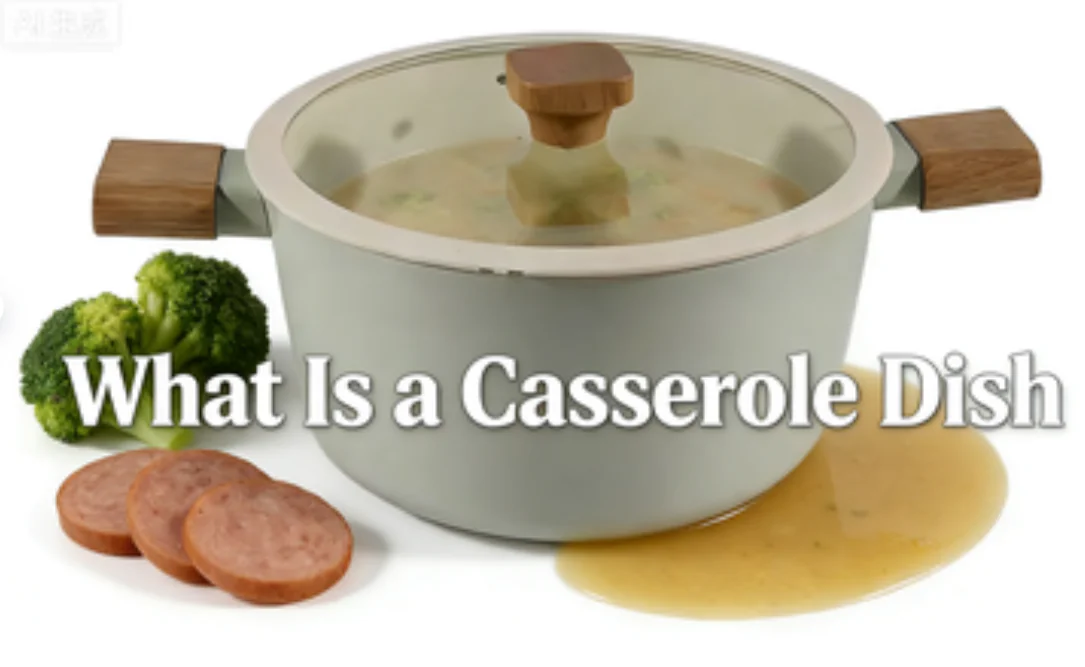
What Is a Casserole Dish? And Why Every Kitchen Needs One
Few pieces of cookware are as comforting, versatile, and timeless as the casserole dish. From bubbling baked pastas to creamy holiday sides and hearty family dinners, casserole dishes have earned a permanent place in kitchens around the world—especially in American homes. Yet many people still ask basic questions: What is considered a casserole dish? What the heck is a casserole? How is a casserole dish different from a baking dish? And perhaps most importantly, do you really need one? This comprehensive guide answers all those questions and more. By the end, you’ll understand exactly what a casserole dish is, what it’s used for, how it differs from other cookware, and why it’s a true kitchen essential. What the Heck Is a Casserole? Understanding the Dish Behind the Name Before defining the cookware, it helps to understand the food itself. 1. What Is a Casserole, Exactly? 1.1 A casserole refers to both: 1.2 A type of meal, and The dish it is cooked in As a meal, a casserole is typically a one-dish baked recipe that combines protein, vegetables, starch, and a sauce or binder, all cooked together in the oven. Common examples include baked ziti, tuna casserole, green bean casserole, and chicken-and-rice casserole. The word
Are Non-Stick Pans Safe? PFOA, PTFE Explained
Introduction If you’ve been Googling are non stick pans safe Australia, you’re not alone. This guide breaks down PFOA, PTFE (Teflon), and real-world non stick pan health risks—so you can buy, use, and maintain non stick cookware with confidence (without getting talked into stuff you don’t need). If you typed are non stick pans safe Australia because you worry about toxins, cancer headlines, or “forever chemicals,” here’s the honest answer: modern non-stick pans can be safe in normal cooking—if you use them correctly and replace them when they’re worn. The biggest risk comes from overheating an empty pan, not from cooking eggs on medium heat. And “PFOA-free” helps, but it doesn’t automatically mean “PFAS-free” or “the safest option for your kitchen.” Below, you’ll get practical rules, a buyer checklist, and a durability-focused section for cafés, restaurants, hotels, and corporate buyers. 1. Quick takeaways (save this before you keep scrolling) 2. Are non stick pans safe Australia? The clear answer (and what changes in 2026) So—are non stick pans safe Australia? For most households, yes, when you use modern non-stick properly and avoid overheating. Australian experts have also emphasized that PTFE-coated non-stick pans are generally safe at normal cooking temperatures, but
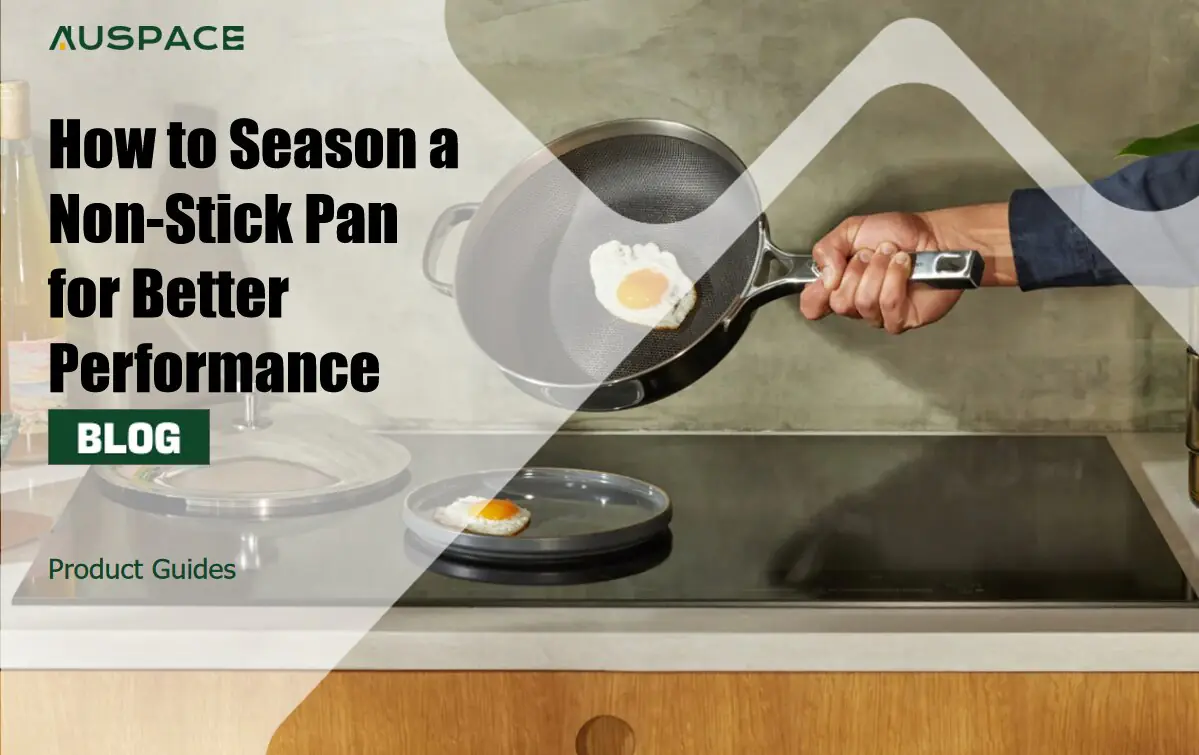
How to Season a Non-Stick Pan for Better Performance
You’ve probably stood in a kitchen aisle, wondering if non-stick pans are worth the investment. For 60% of you in the research phase, a key question lingers: Do I even need to season a non-stick pan? The short answer is yes—but not for the same reasons as cast iron. Seasoning boosts performance, extends lifespan, and saves money long-term. Whether you’re a home cook tired of replacing pans every 6 months or a café owner buying 50 pans for your new spot, this guide delivers actionable steps with no fluff. We’ll cover the “why” of seasoning, how to season non stick pan,best oils, step-by-step processes for seasoning and re-seasoning, coating restoration, and maintenance tips for both everyday users and bulk buyers—all grounded in industry best practices, no made-up claims. 1.Do You Need to Season Non-Stick Pans? Unlike cast iron, non-stick pans have a synthetic coating (most commonly Teflon/PTFE) that repels food naturally. Seasoning doesn’t create a non-stick layer; it protects the existing coating, enhances performance, and prolongs lifespan. Many home cooks skip this step, only to see pans peel or lose non-stick properties within a year. For B2B buyers, this oversight is costlier: replacing 50 worn pans annually adds thousands in
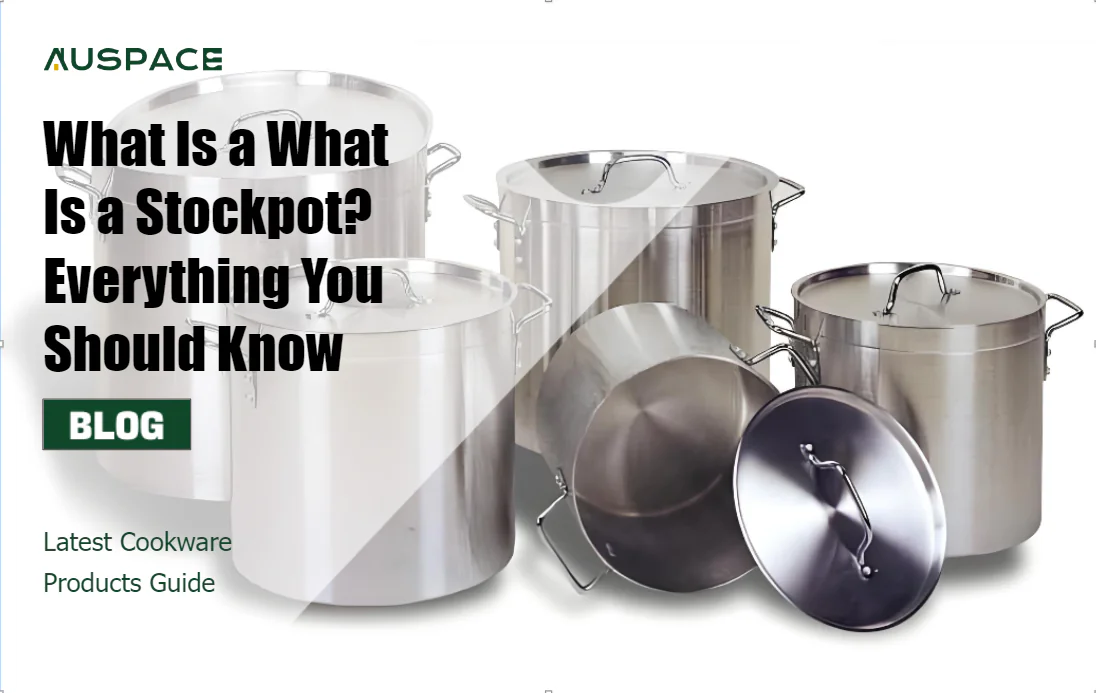
What Is a Stockpot? Everything You Should Know Before Buying
1. Introduction In almost every kitchen—whether at home, in a restaurant, or in a commercial food facility—there is one piece of cookware that quietly plays a foundational role: the stockpot. From simmering broths to preparing large batches of soups and sauces, the stockpot is a core vessel that supports countless recipes and cooking traditions. At Auspace, we specialize in manufacturing high-quality cookware for both household and professional use. Over the years, we have worked closely with distributors, wholesalers, and foodservice brands worldwide, and one question consistently comes up: what is a stockpot, and how do you choose the right one? Understanding what a stockpot is, what it is used for, and how it differs from similar cookware is essential before making a purchasing decision—especially when buying in volume. This guide will walk you through everything you need to know before buying a stockpot, from design and materials to practical use cases and buying tips. 2. What Is a Stockpot? So, what is a stockpot exactly? A stockpot is a large, deep cooking pot with straight sides, a flat bottom, and typically two loop handles. It is designed to hold a significant volume of liquid and ingredients, making it ideal for
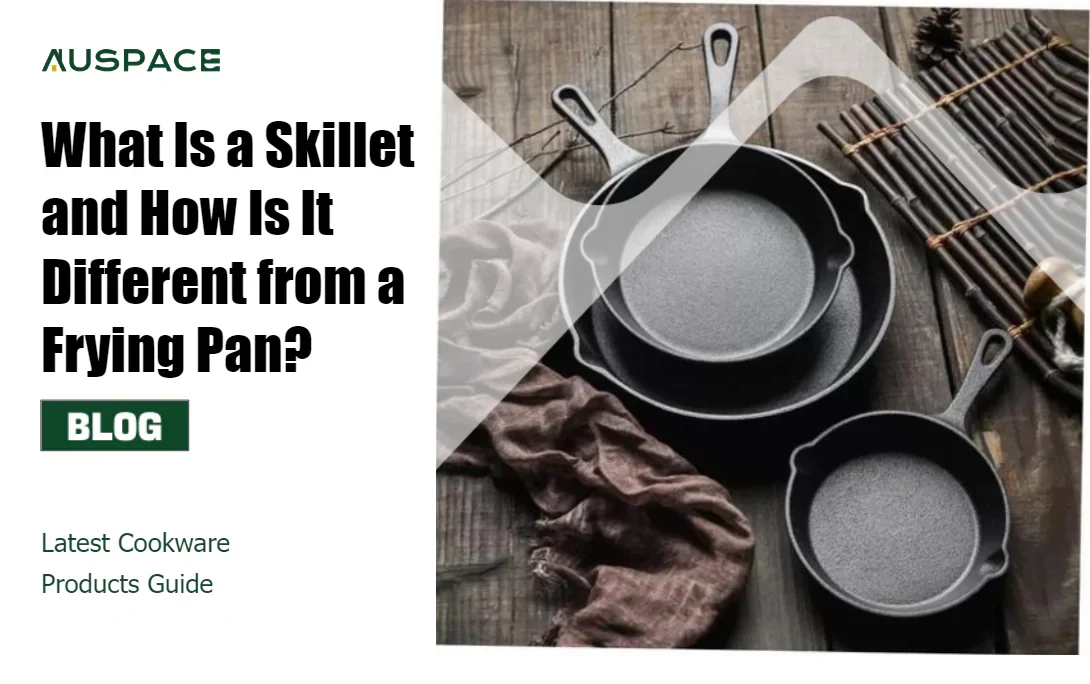
What Is a Skillet and How Is It Different from a Frying Pan?
1.Introduction In modern kitchens around the world, certain cookware pieces appear so frequently that they are often taken for granted. The skillet is one of them. From home kitchens to professional restaurants, this versatile pan has earned its place as a daily cooking essential. Yet many people still ask a simple question: what is a skillet, and how is it different from a frying pan? As a cookware manufacturer with years of experience supplying global markets, Auspace works closely with retailers, brands, and distributors who want cookware that performs reliably and lasts. Understanding cookware fundamentals is not just helpful for cooks, but also essential for buyers sourcing products at scale. Knowing how a skillet is designed, what it is used for, and how it differs from similar pans helps make better purchasing and cooking decisions. This guide explains what is a skillet in detail—its design, materials, uses, advantages, andhow to clean a rusty cast iron skillet—care—so you can confidently decide whether it belongs in your kitchen or product lineup. 2. What Is a Skillet? At its core, what is a skillet? It is a shallow cooking pan designed for direct-heat cooking methods. It typically features a wide, flat bottom and
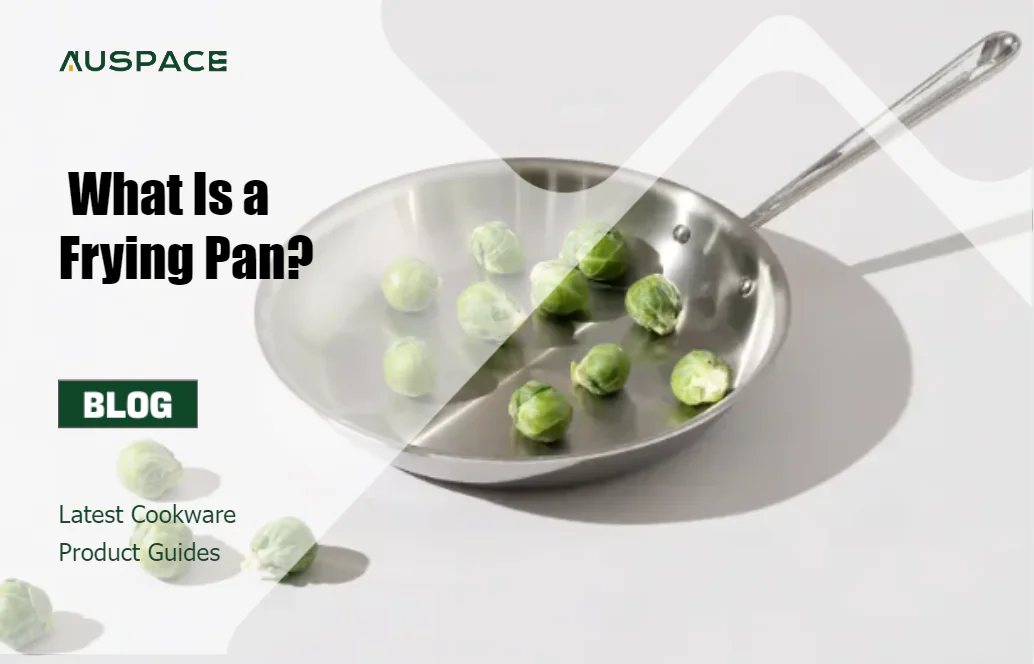
What Is a Frying Pan? Key Features and Practical Uses
What Is a Frying Pan?—a practical, real-kitchen guide to choosing the right pan, using it well, and making it last. Introduction A good kitchen isn’t defined by how many tools you own—it’s defined by how reliably those tools turn ingredients into food you actually want to eat. Few pieces of cookware earn their keep like the frying pan. It’s the pan you reach for when dinner needs to happen now: quick eggs, crisp vegetables, a golden chicken cutlet, or a sauce you finish in minutes. It also happens to be one of the most misunderstood pans, because people lump it together with anything round and flat. Knowing what makes a frying pan “a frying pan” helps you buy smarter, cook more confidently, and avoid the common mistakes that lead to sticking, uneven browning, or warped cookware. 1. What Is a Frying Pan? A frying pan is a shallow, wide pan designed for direct-heat cooking—especially browning, searing, sautéing, and shallow-frying. Its defining idea is simple: maximize contact between food and a hot surface, while giving you enough room to toss, turn, and reduce moisture so food can brown instead of steam. So what counts as a frying pan? In most kitchens,
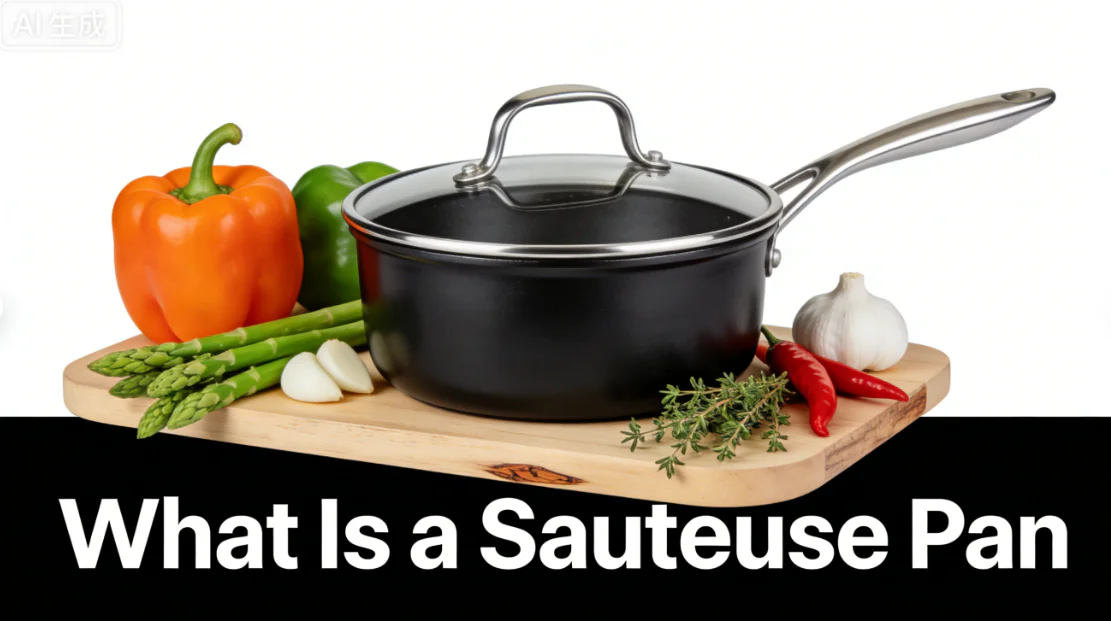
What Is a Sauteuse Pan? Shape, Purpose, and How It Differs from Other Pans
Cookware terminology can be confusing for home cooks and even more so for beginners who just want to know which pan to use and why. Among these often-misunderstood pieces is the sauteuse pan—a versatile, rounded cooking vessel used by both professional chefs and enthusiastic home cooks. If you’ve heard the term but aren’t quite sure what makes it different from a sauté pan, Dutch oven, frying pan, or saucepan, this guide will give you a clear and complete understanding. This article explains what a sauteuse pan is, what it is used for, what you can cook in it, and how it compares to other cookware. By the end, you will know whether you truly need a sauteuse pan in your kitchen and how to choose the right one. What Is a Sauteuse Pan? Definition, Shape, and Key Characteristics A sauteuse pan is a wide, moderately deep pan with sloped, rounded sides and a broad cooking surface, usually paired with a tight-fitting lid. Its shape sits somewhere between a saucepan, a sauté pan, and a shallow Dutch oven—giving it exceptional versatility for wet and dry cooking methods. 1. Core Characteristics 1.1 Rounded, curved interior for smooth stirring 1.2 Medium-deep walls that prevent splashing 1.3 Wide opening for
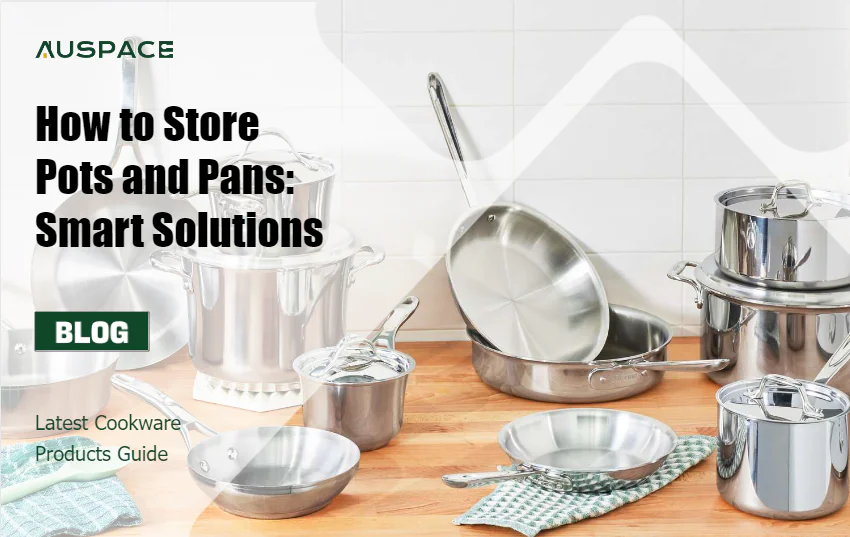
How to Store Pots and Pans: Smart Solutions for Lids, Cast Iron, and Small Kitchens
Learn how to store pots and pans in small kitchens and cabinets. Discover practical solutions for organizing lids, cast iron cookware, and maximizing your kitchen storage space.
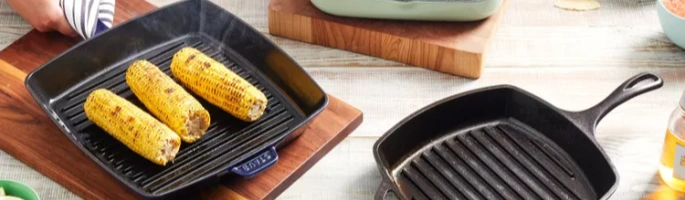
What Is a Grill Pan? Uses, Features, and How to Choose
Ever crave those perfect, restaurant-style sear marks on your steak, the smoky flavor of a backyard barbecue, but find yourself limited by your kitchen or the weather? Enter the grill pan: your kitchen’s secret weapon for achieving the look, texture, and a hint of the flavor of outdoor grilling, any day of the year. It’s the tool that bridges the gap between the convenience of your stovetop and the primal appeal of grilling. In this guide, we’ll uncover everything you need to know about grill pans—from their smart design and how to choose one, to the dishes they excel at and the key differences from your regular pans. 1. What Is a Grill Pan? A grill pan is a specialized stovetop cooking pan characterized by its ridged cooking surface. Unlike a flat skillet, the bottom of a grill pan features a series of raised, parallel ridges. This fundamental design serves multiple purposes: it creates the iconic char marks associated with grilled food, allows excess fat and juices to drain away from the food into the valleys between the ridges (resulting in less greasy, better-seared results), and mimics the cooking effect of an outdoor grill by elevating food above direct contact with the hottest
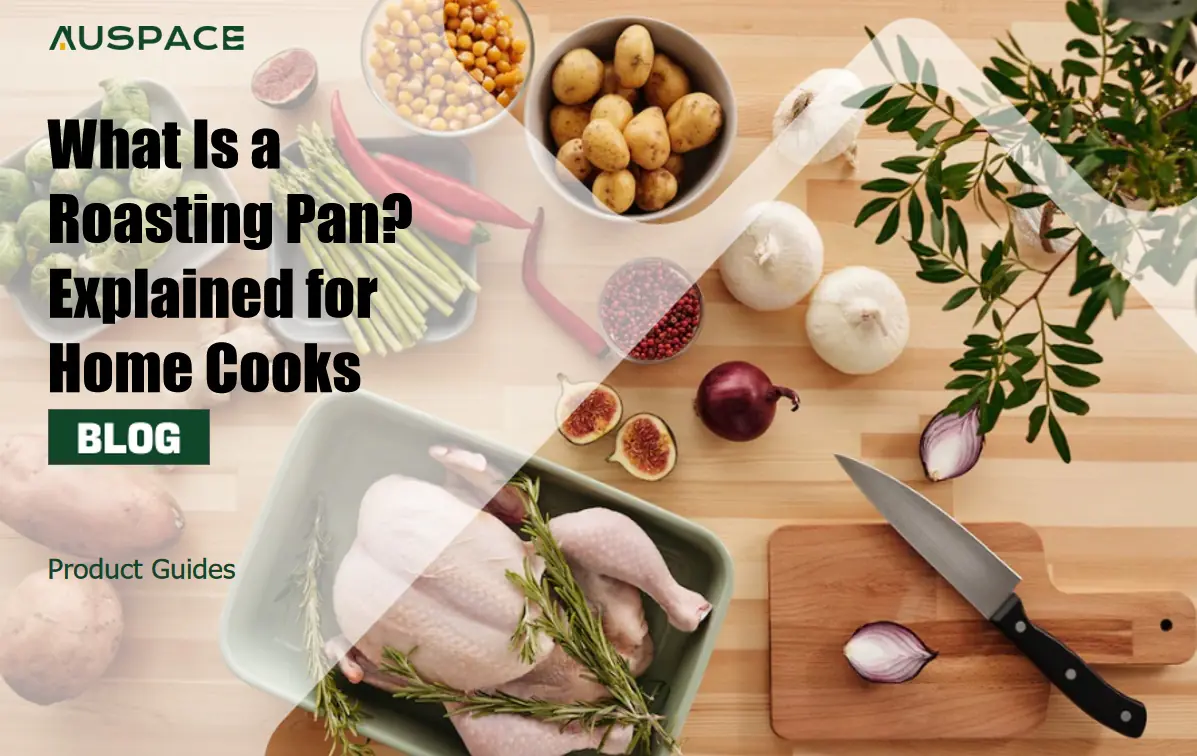
What Is a Roasting Pan? Explained for Home Cooks
In every kitchen, there are tools that become the unsung heroes of memorable meals, and the roasting pan is one such essential. For home cooks, especially during holidays or family gatherings, the roasting pan often takes center stage, cradling a golden-brown turkey or a succulent ham. But What ls a Roasting Pan, and why should you care? Understanding the roasting pan goes beyond mere curiosity—it can elevate your cooking, ensure even heat distribution, and simplify cleanup. Whether you’re a novice or a seasoned cook, knowing the ins and outs of a roasting pan can transform your roasting endeavors from good to exceptional. In this article, we’ll delve into its definition, features, uses, and more, providing a comprehensive guide tailored for home cooks. And as professional manufacturers and wholesalers with deep expertise in cookware, we’ll share insights to help you make informed decisions. 1.What ls a Roasting Pan A roasting pan is a large, deep, rectangular or oval-shaped pan specifically designed for roasting foods in an oven. Its primary purpose is to accommodate large cuts of meat, such as whole turkeys, chickens, hams, or roasts, while facilitating even cooking and collecting drippings for gravies and sauces. The defining design features include

Top 15 Vacuum Flask Manufacturers in China (Updated)
Discover the top 15 verified vacuum flask manufacturers in China for 2026. From publicly listed giants like Haers and Fuguang to specialized OEM exporters – complete guide with factory capabilities, MOQ requirements, and best-for scenarios for importers and brand owners.
