







-


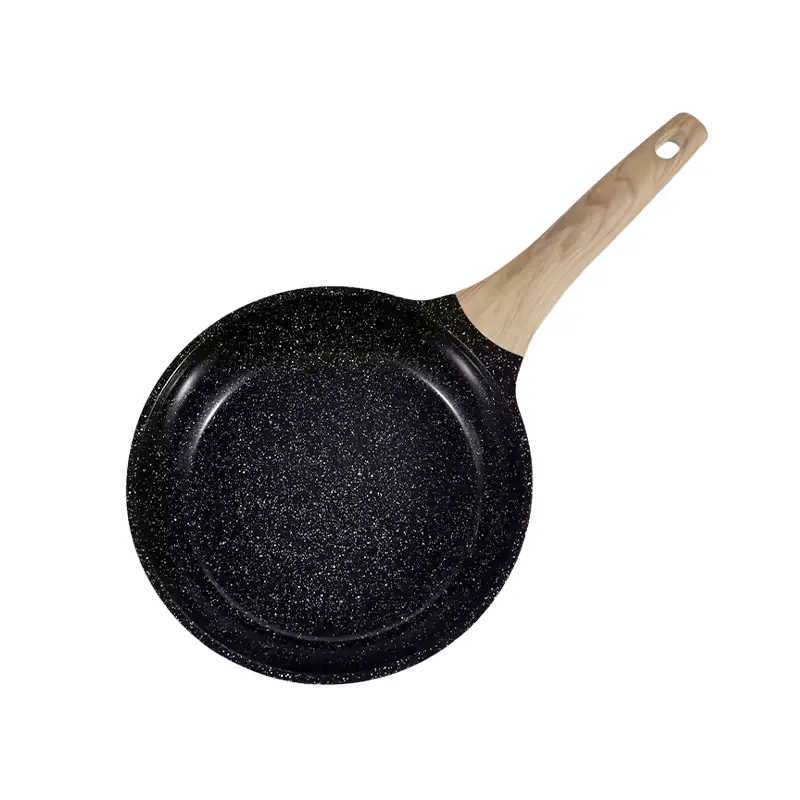
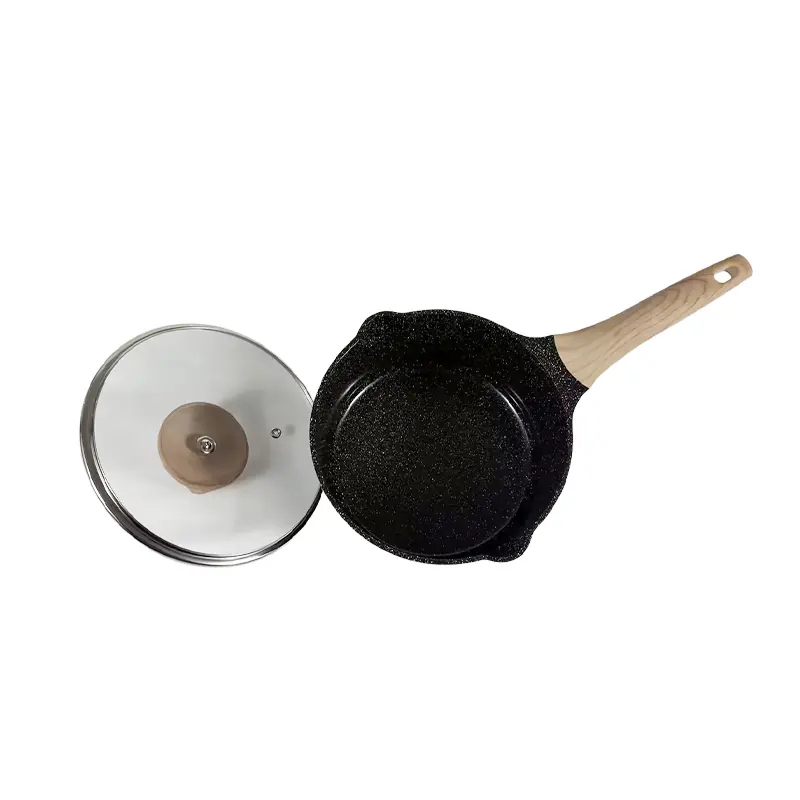
Die-cast Aluminum frypan Supplier
Details$6.66 Add to cart -
Tri-ply stainless steel cookware set China Manufacturer
Details$18.57 Add to cart -
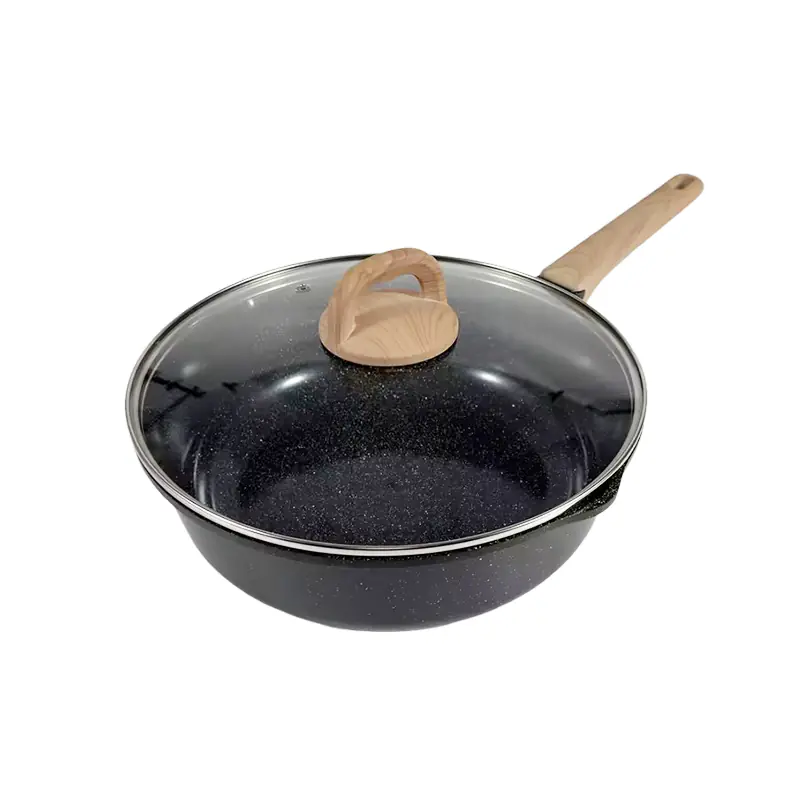
Black Speckled Aluminum Wok with Wooden Handle & Glass Lid for Wholesale
Details$7.10 Add to cart -
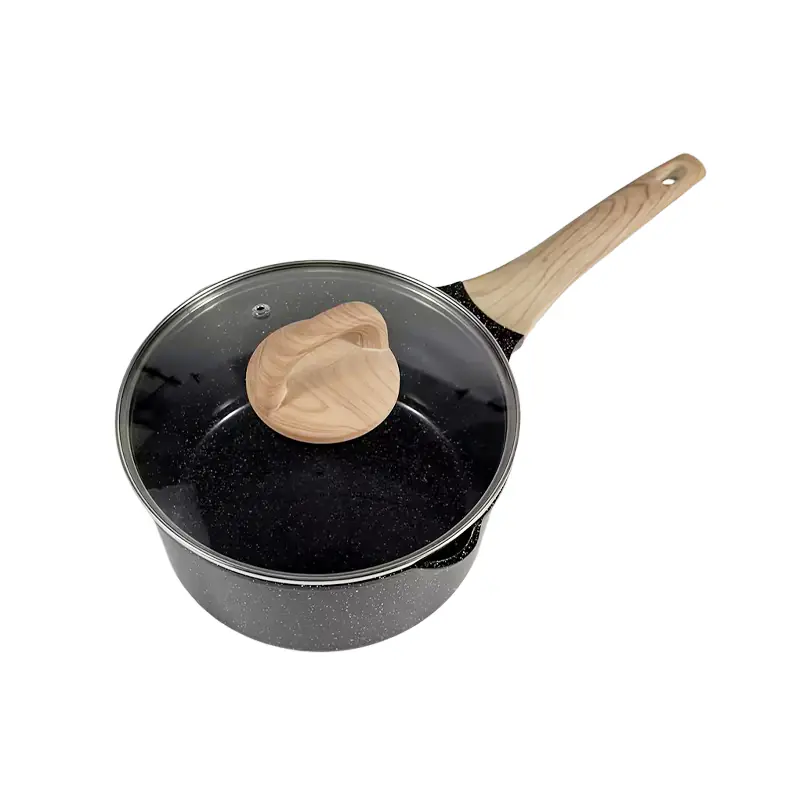
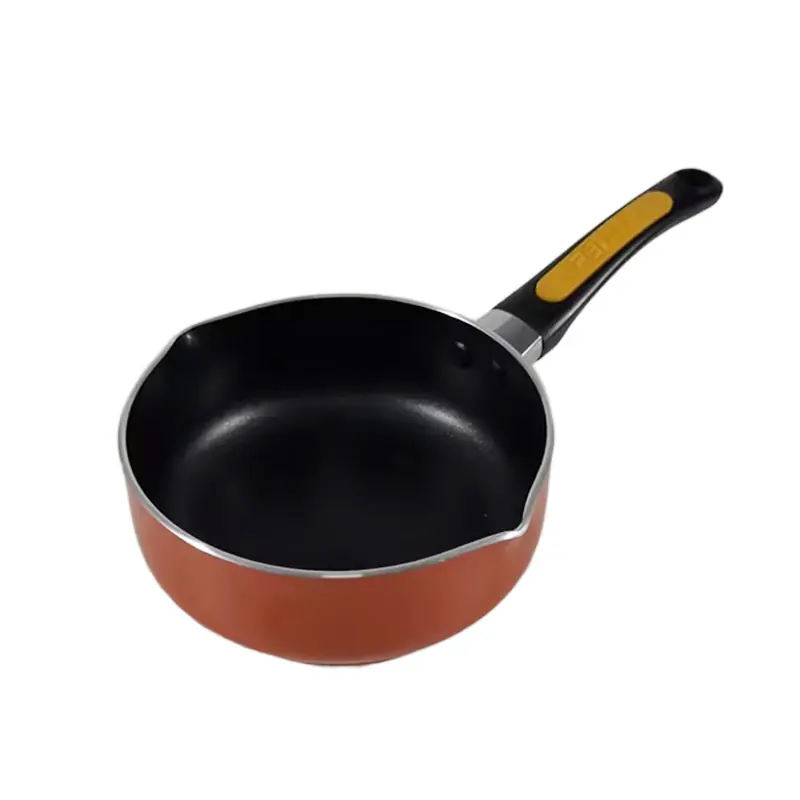
Durable Nonstick Saucepan Wholesale
Details$8.38 Add to cart -
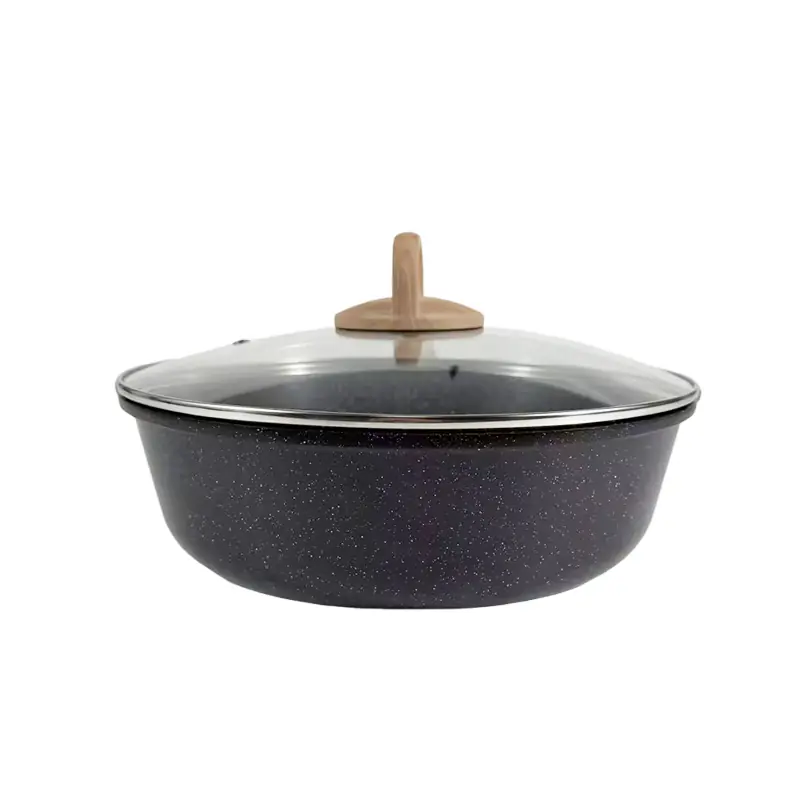
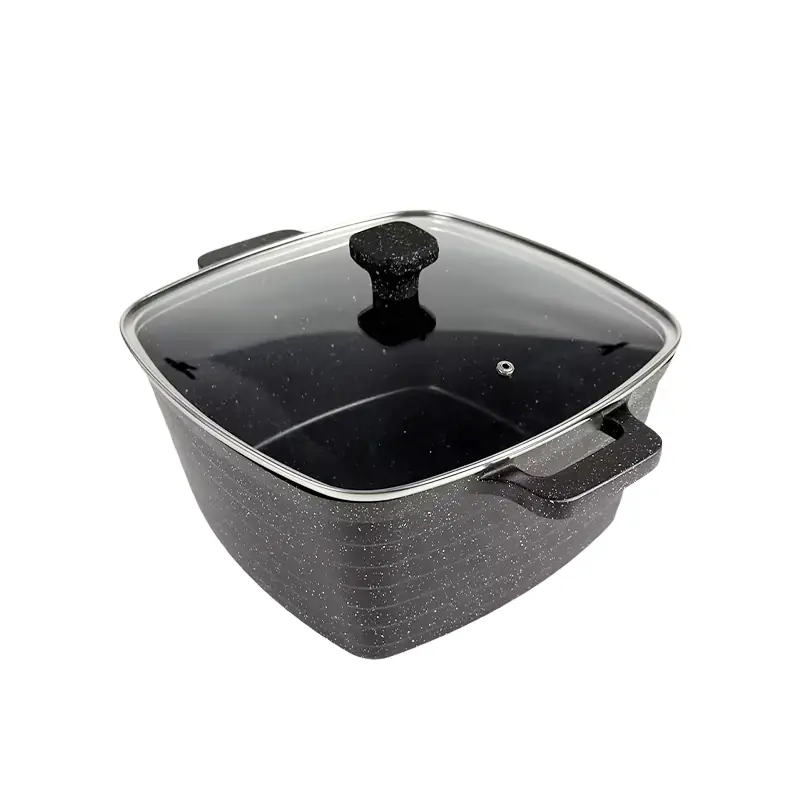
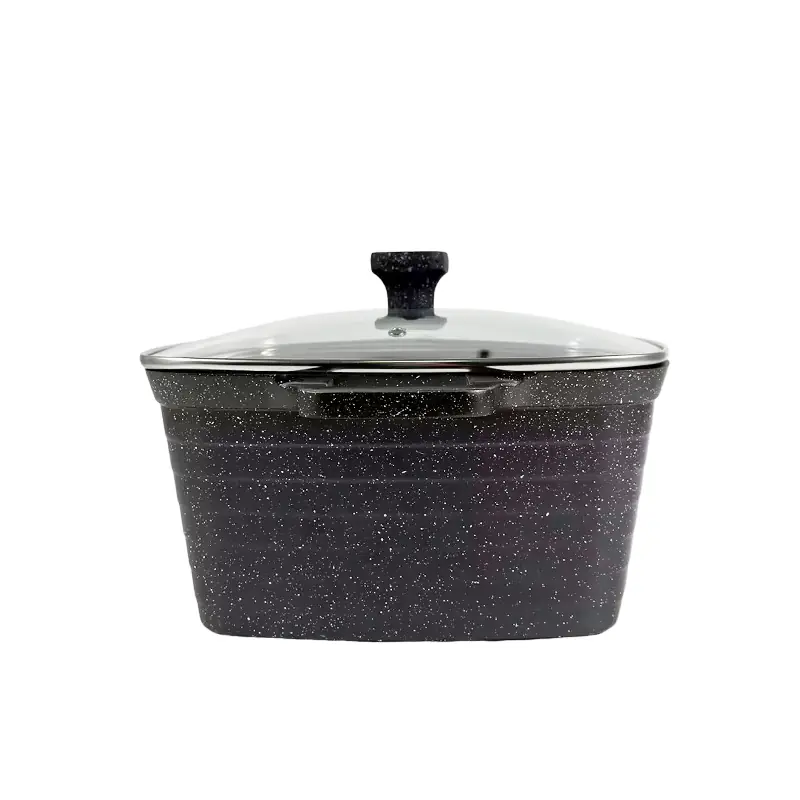
Sleek Black Speckled Aluminum Square Pot with Glass Lid for Wholesale
Details$7.10 Add to cart -
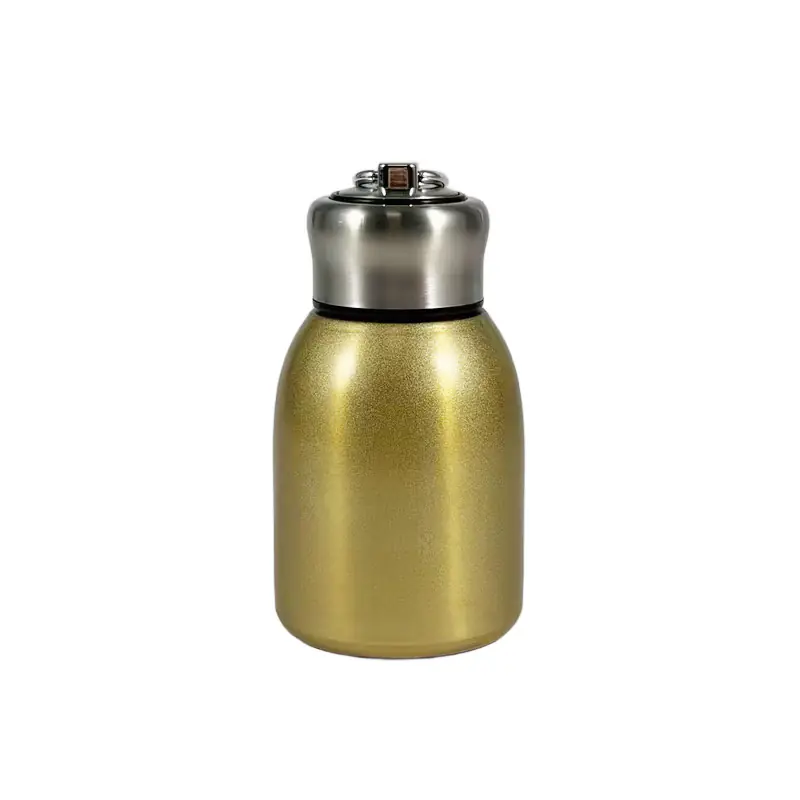
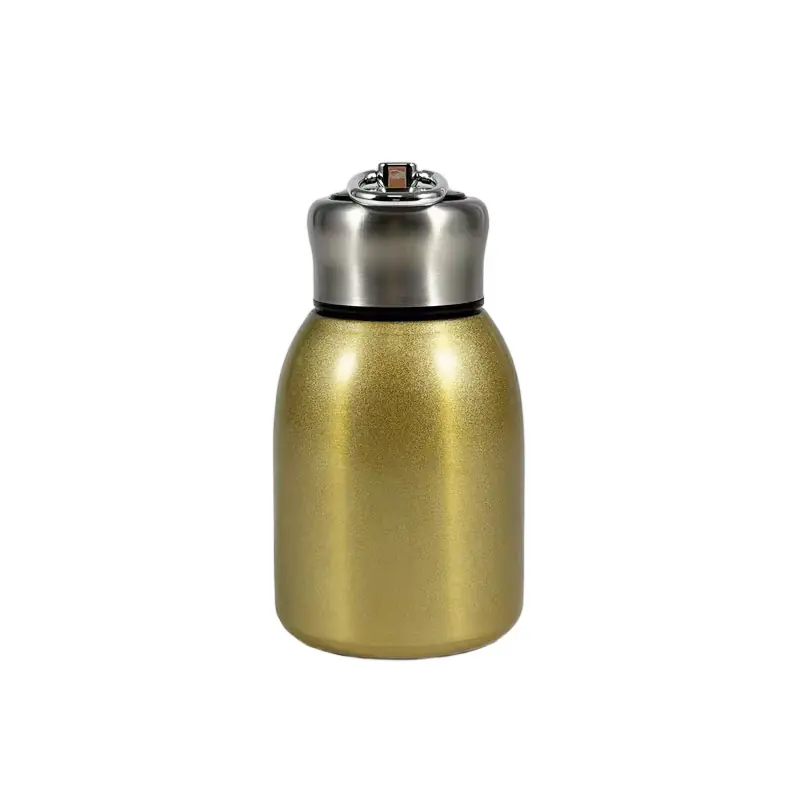
Metallic Vacuum Water Bottle Supplier
Details$1.51 Add to cart -
Stainless Steel Water Bottle Wholesale
Details$6.28 Add to cart -
Stainless Steel Water Bottle Supplier
Details$5.18 Add to cart -
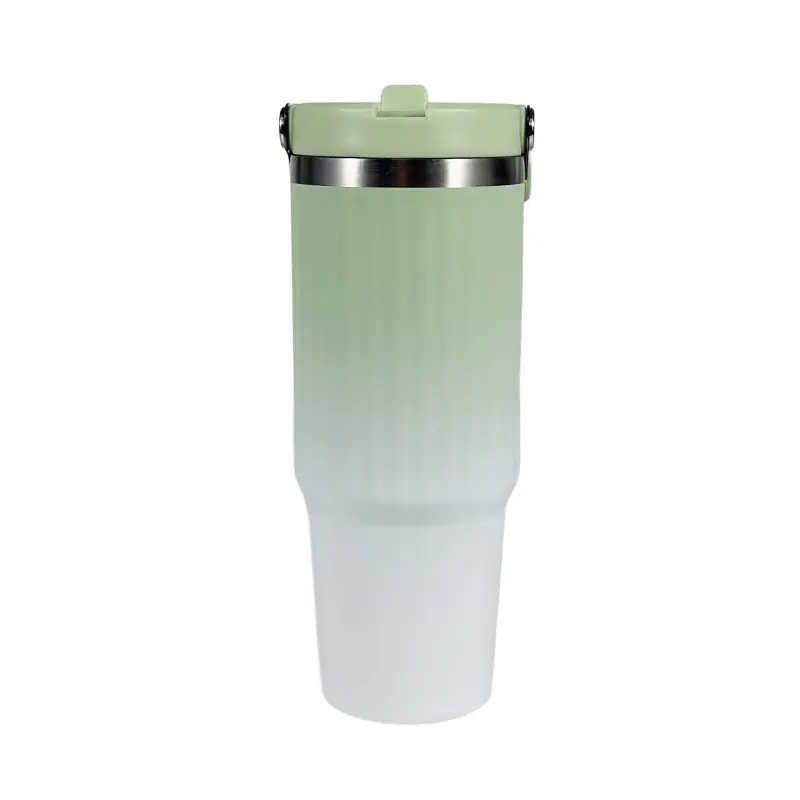
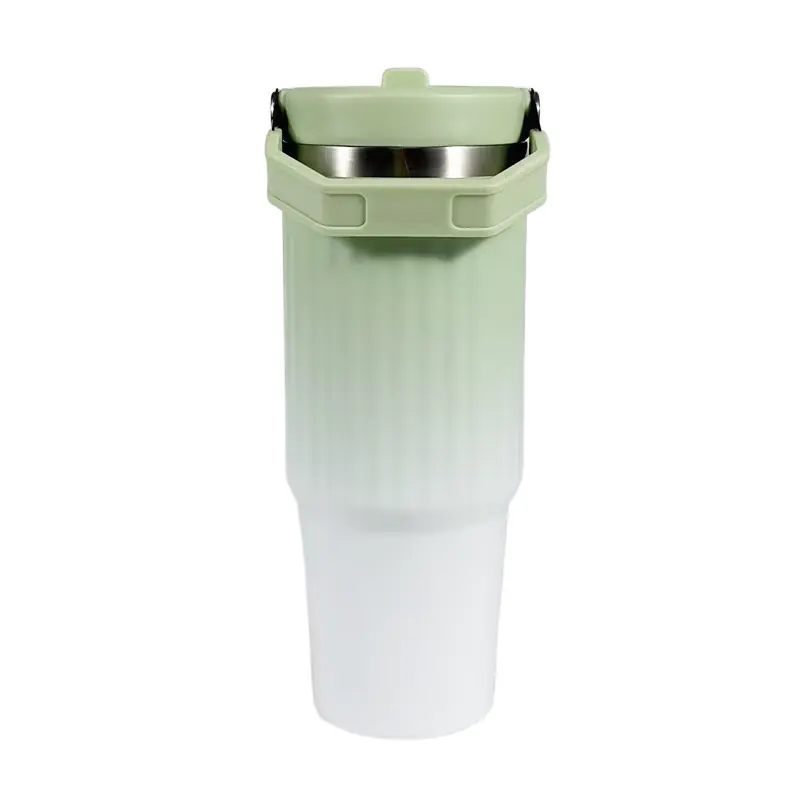
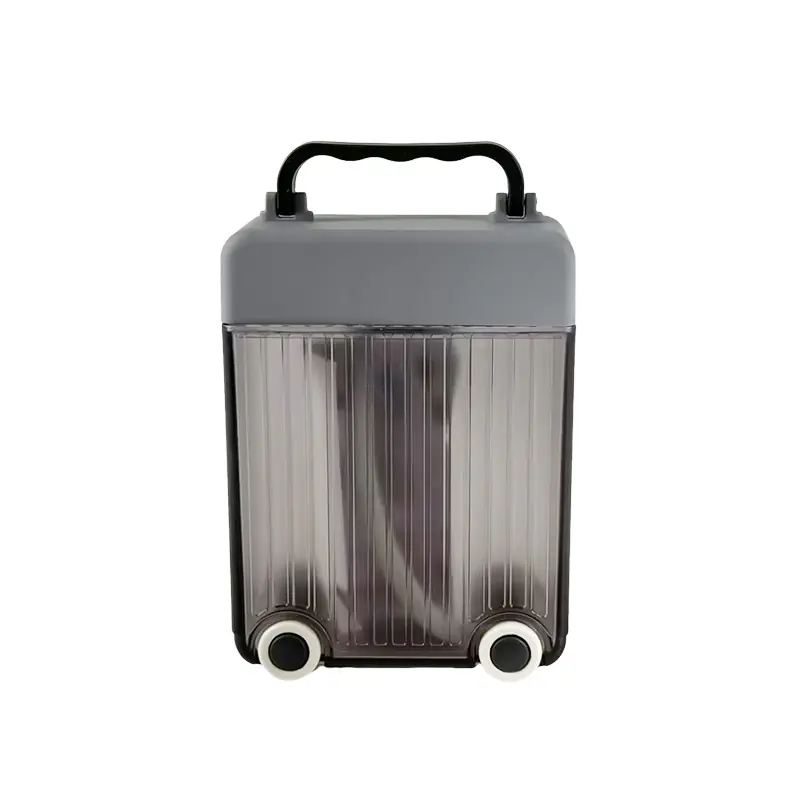
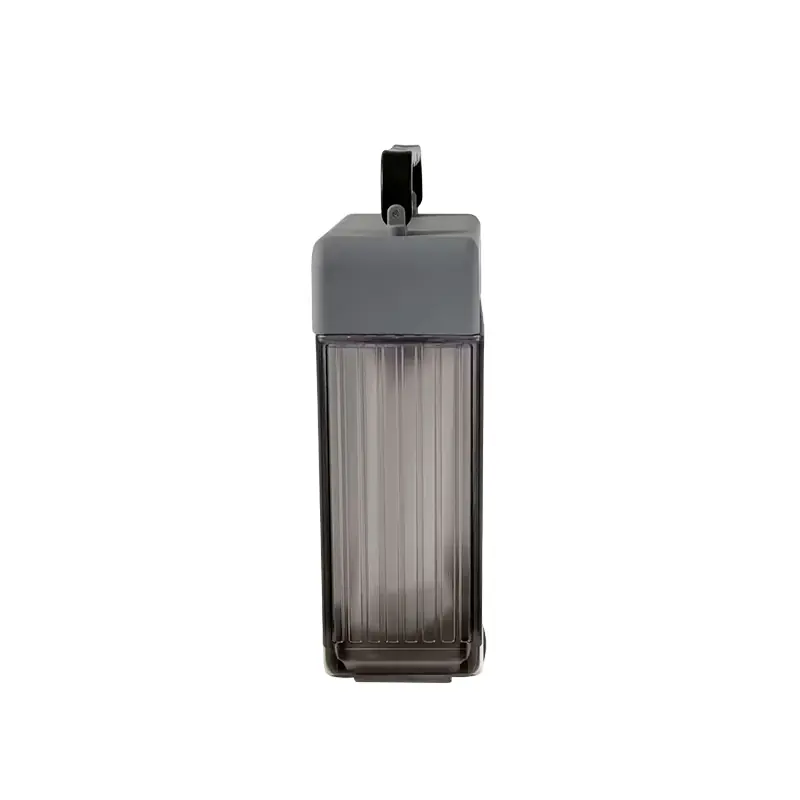
Vertical Stripe Handle Bottle Manufacturer
Details$1.50 Add to cart -
Luggage-Style Plastic Water Bottle Wholesale
Details$1.50 Add to cart -
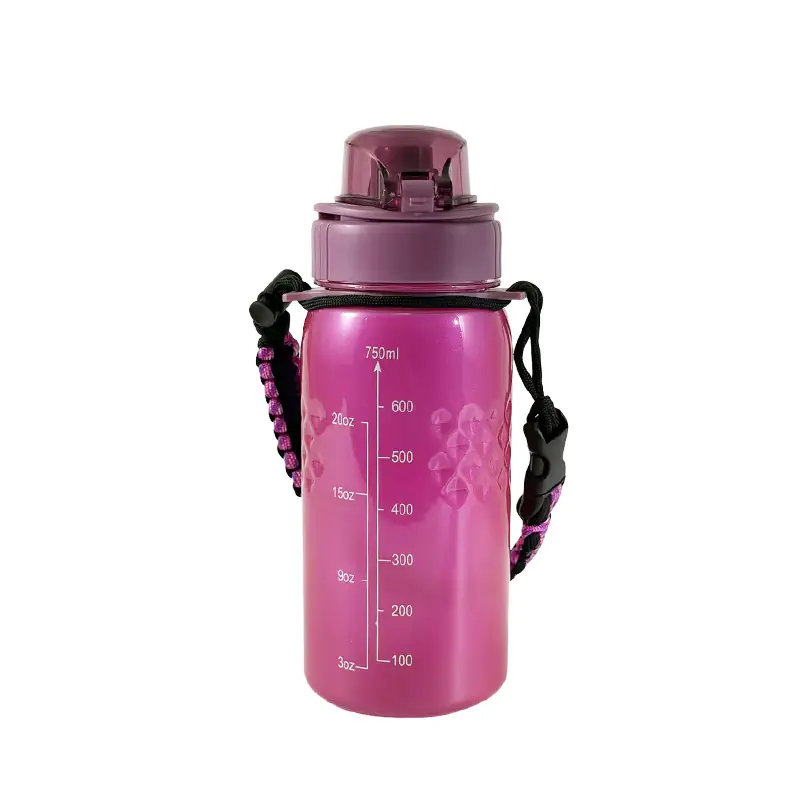
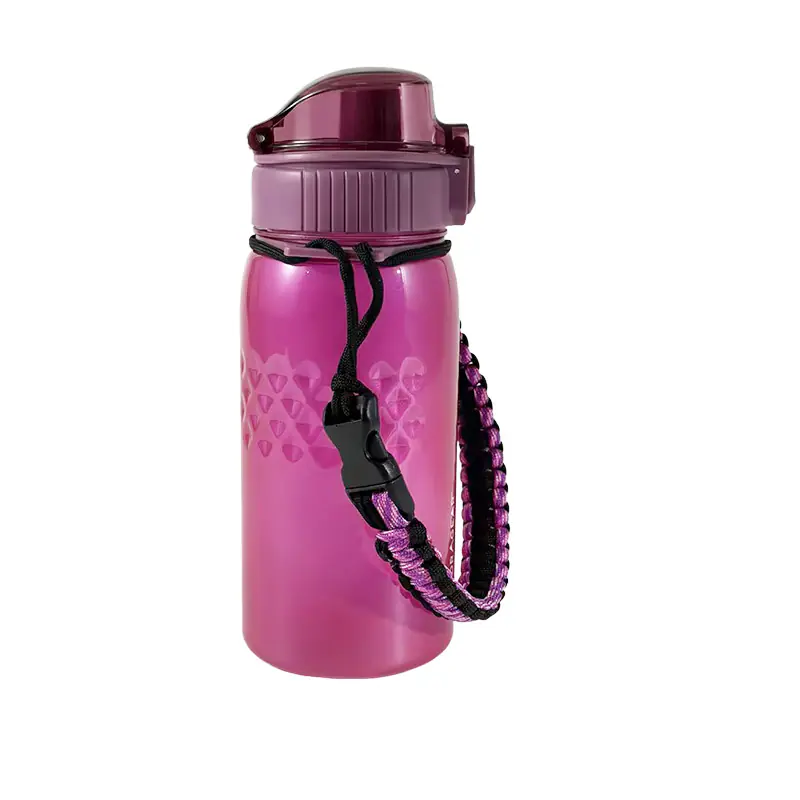
Vibrant Magenta Large-Capacity Sports Water Bottle with Paracord Strap for Wholesale
Details$1.98 Add to cart -
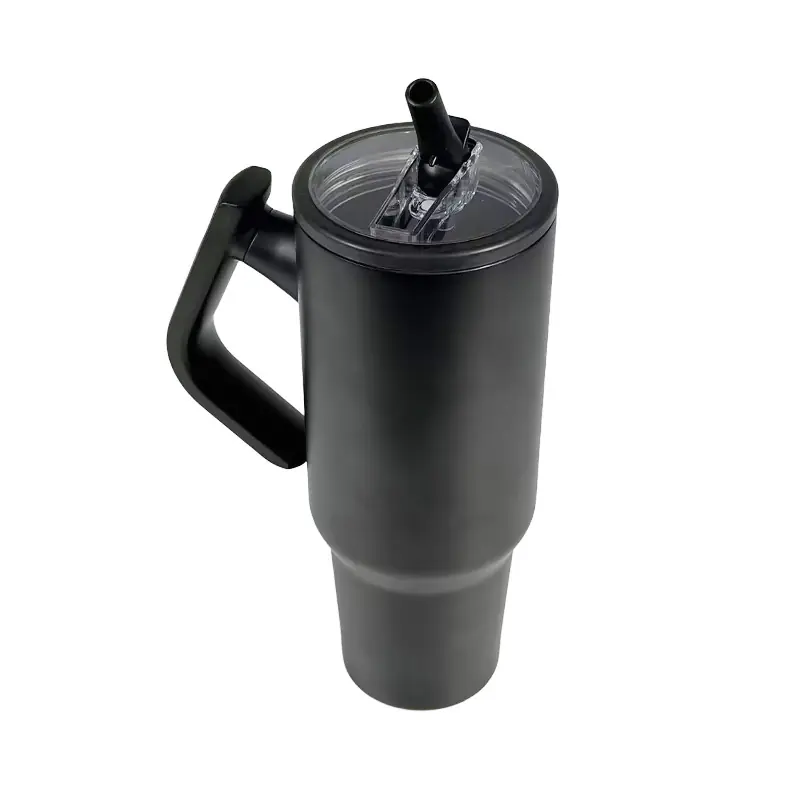
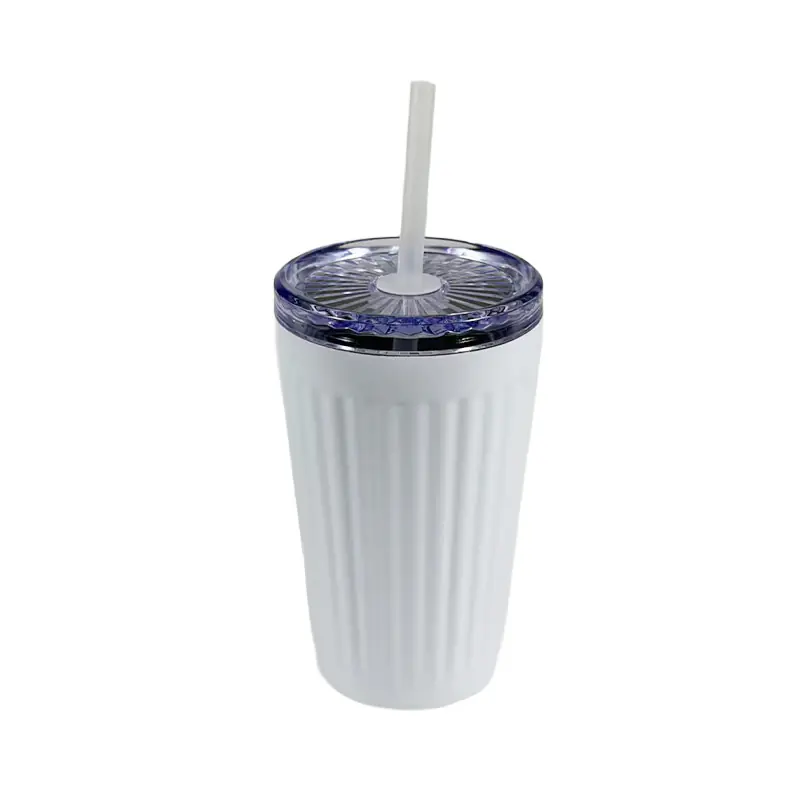
Reusable Insulated Stainless Steel Cold Brew Iced Coffee Cup Supplier
Details$1.98 Add to cart -
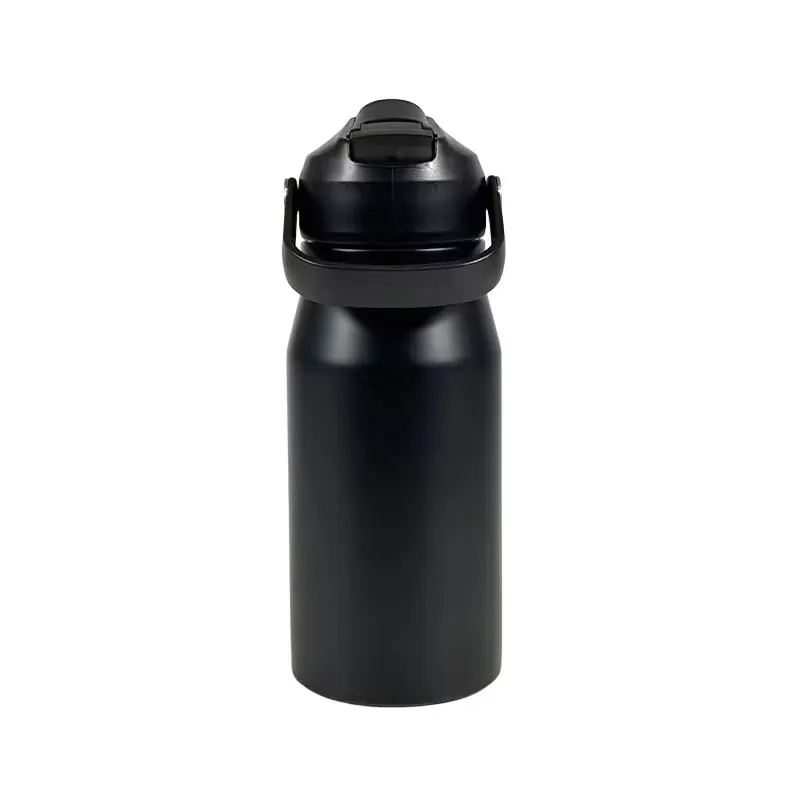
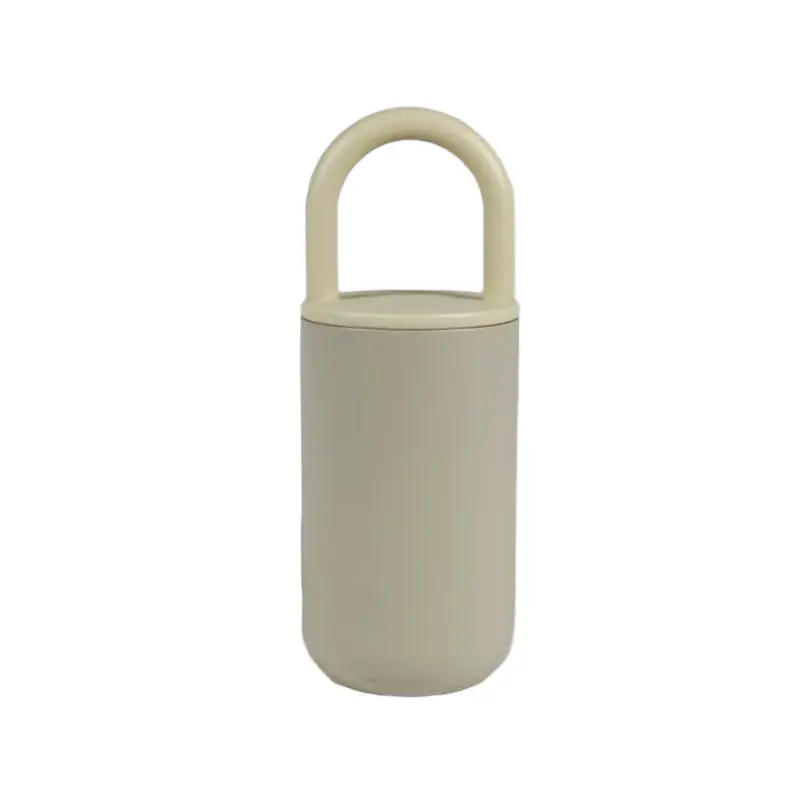
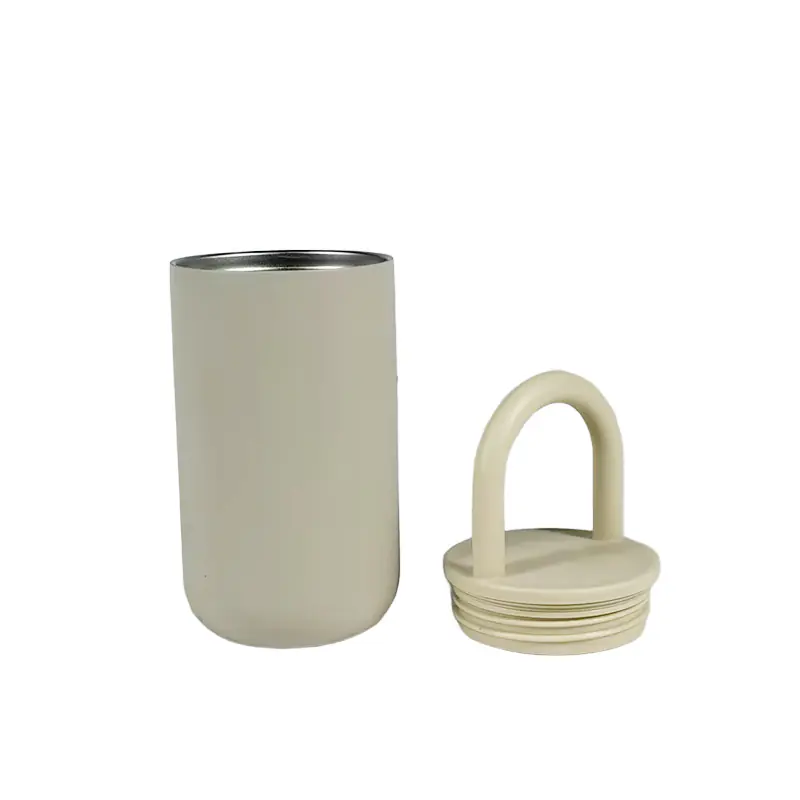
Powerful Minimalist Thermal Bottle Supplier
Details$2.28 Add to cart -
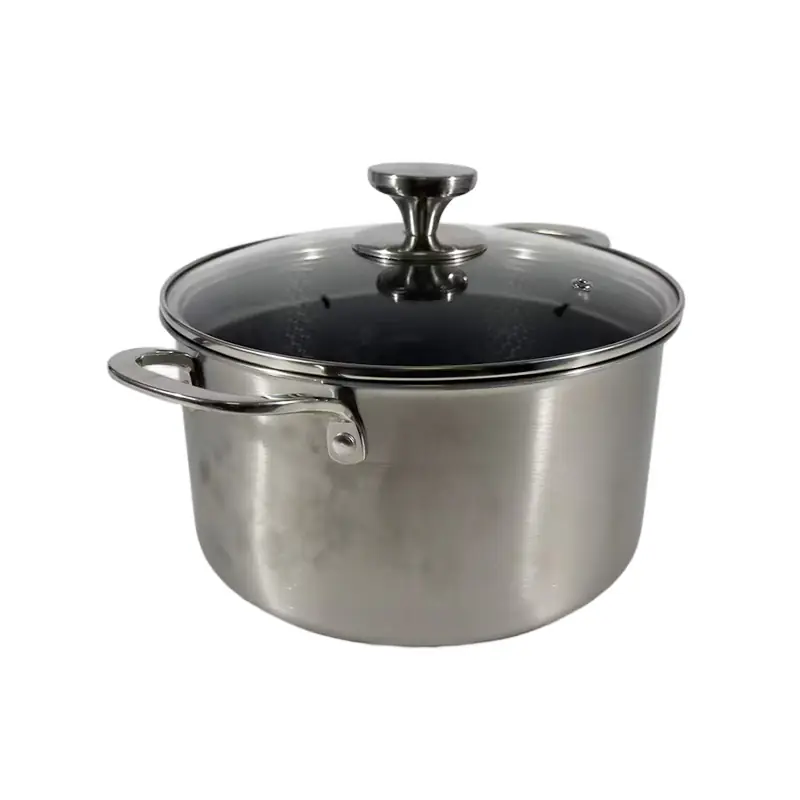
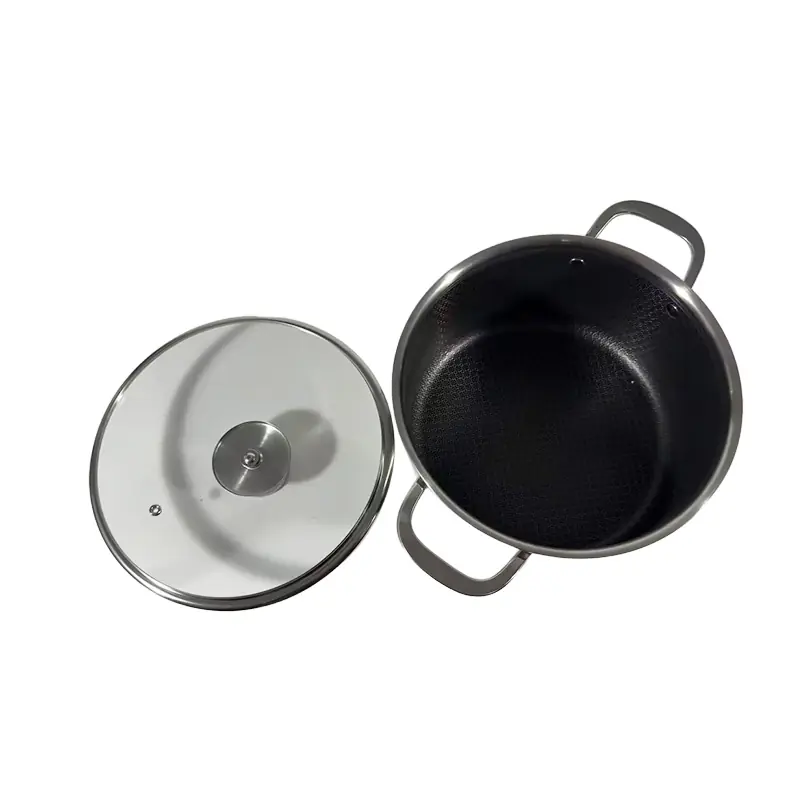
Sleek Stainless Steel Tri-Ply Stock Pot with Honeycomb Non-Stick Inner & Glass Lid for Wholesale
Details$5.00 Add to cart -
Sleek Stainless Steel Tri-Ply Cookware with Glass Lid for Wholesale
Details$5.00 Add to cart -
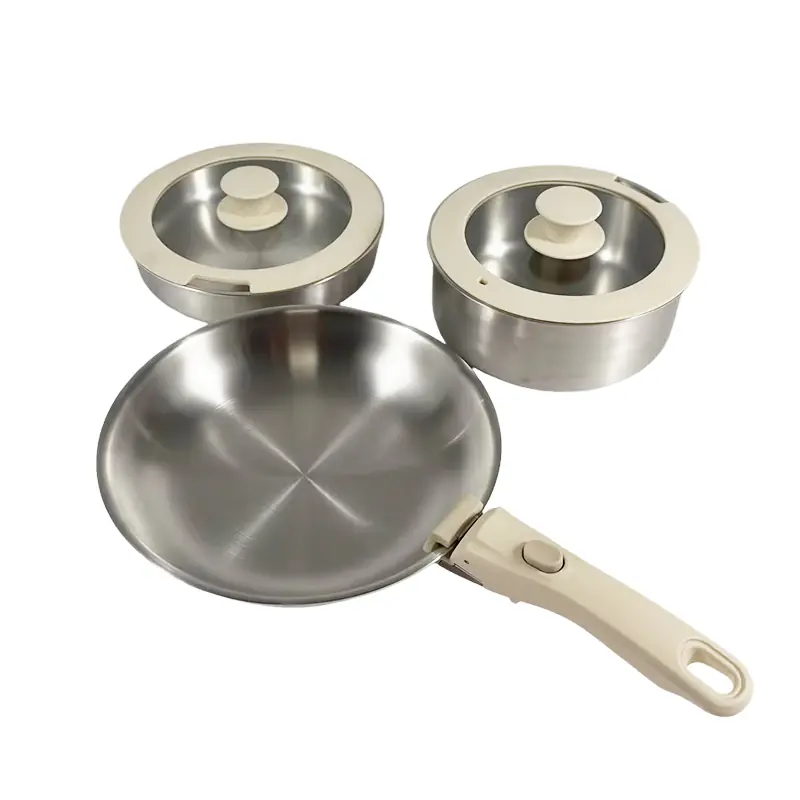
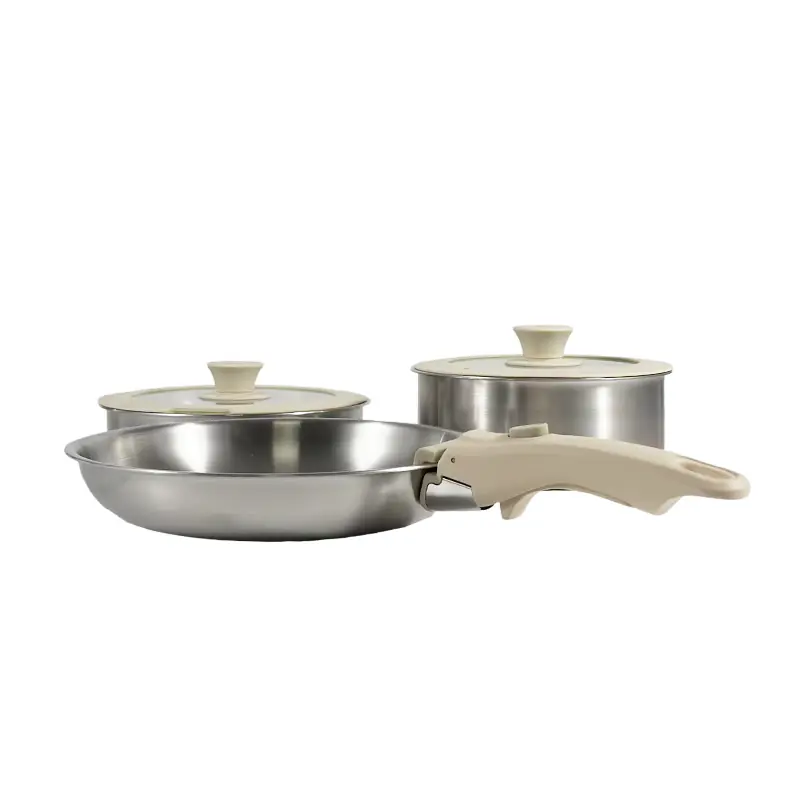
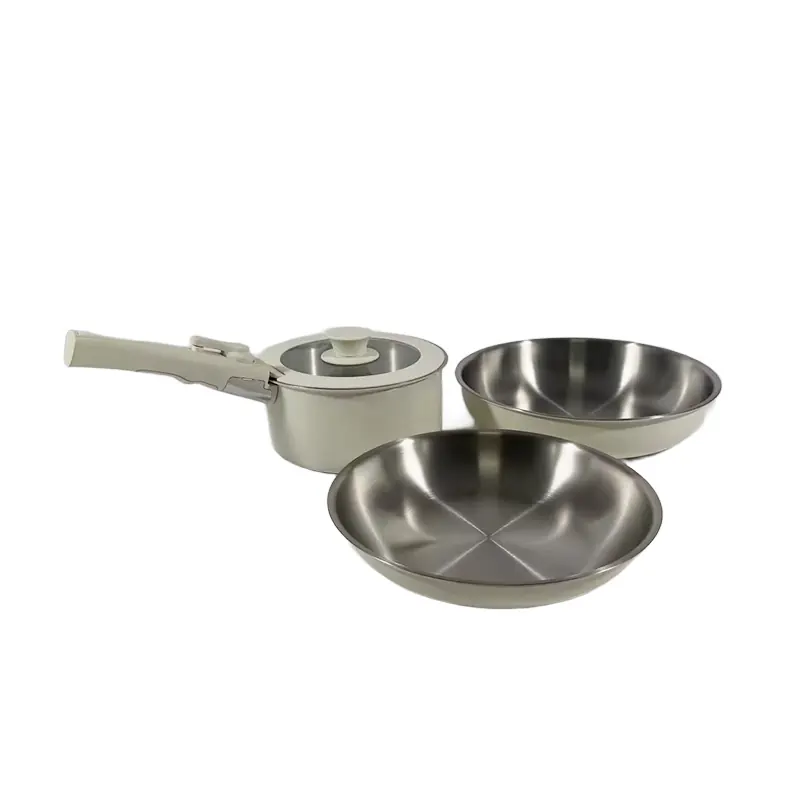
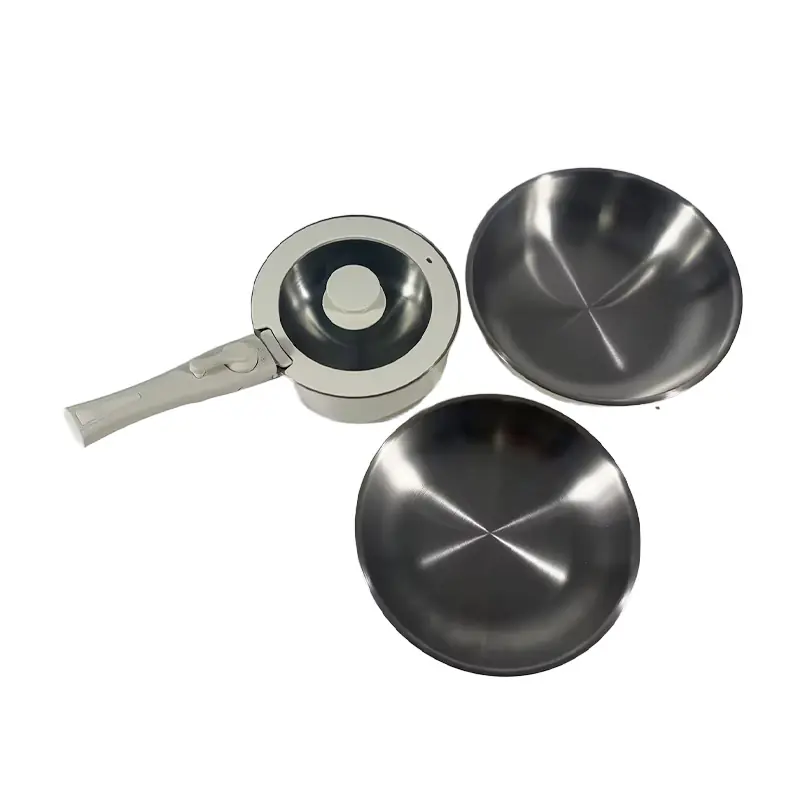
Detachable Cookware Set Supplier – Versatile Stainless Steel Options
Details$19.41 Add to cart -
Pressed Aluminum Casserole Supplier
Details$7.10 Add to cart -
Pressed Aluminum Saucepan Manufacturer
Details$7.10 Add to cart -
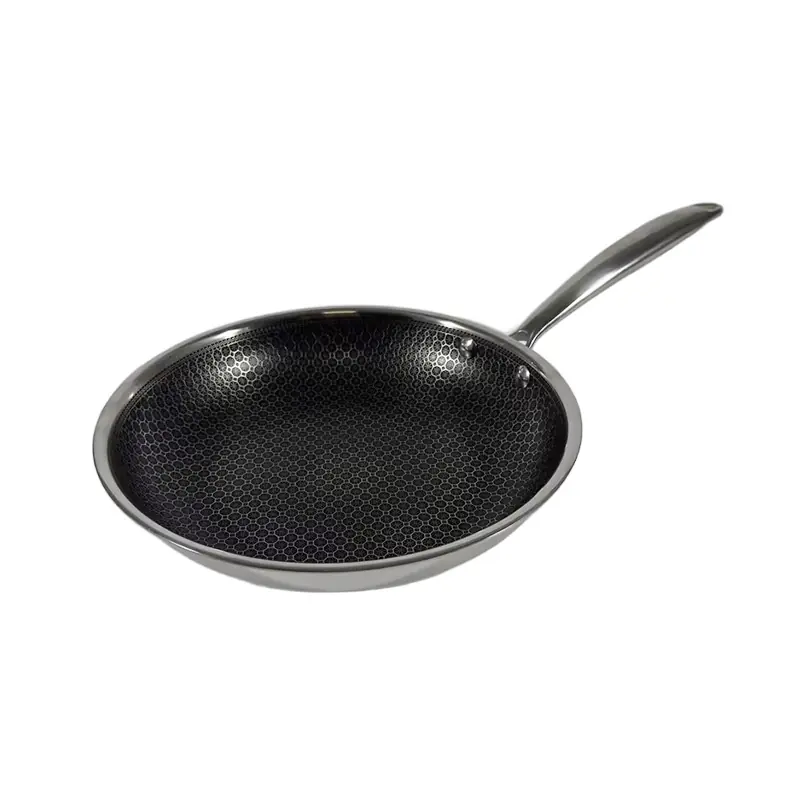
3-ply Stainless Steel Fry Pan Set Manufacturer
DetailsRead more -
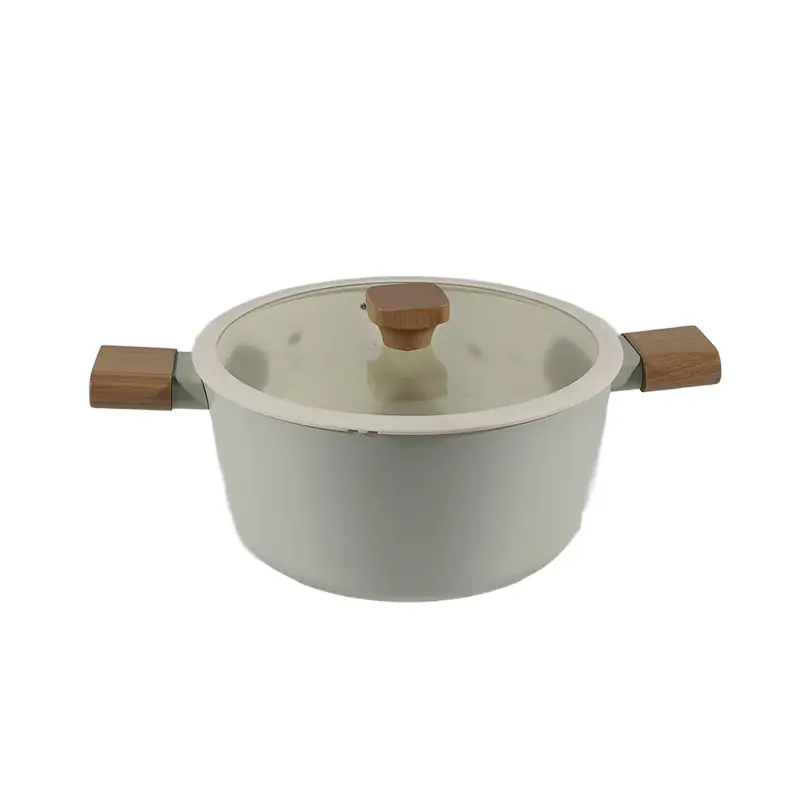
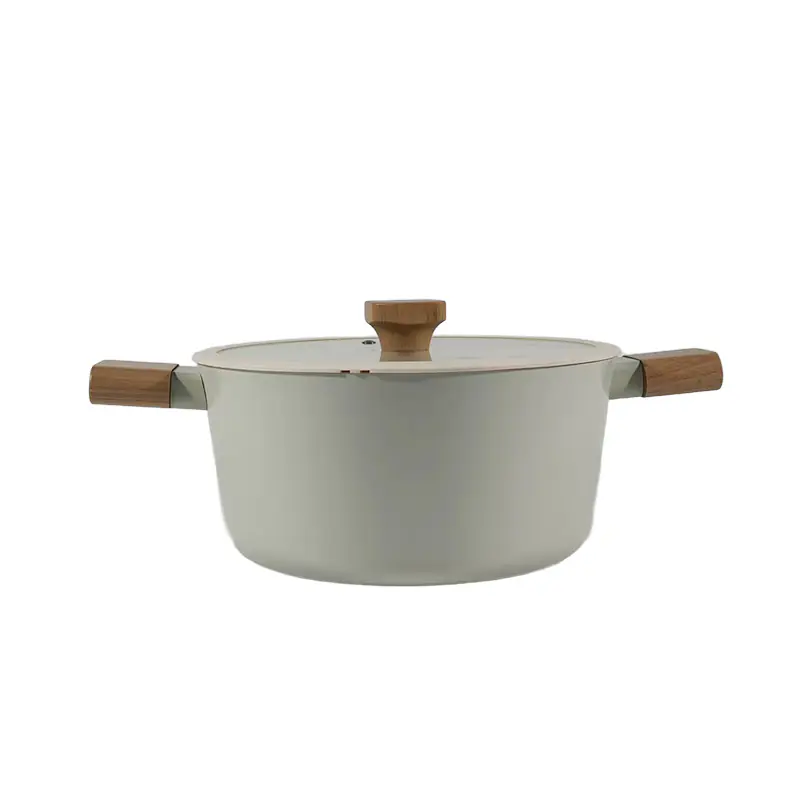
Ultra-Durable Speckled Non-Stick Aluminum Casserole Supplier
Details$3.80 Add to cart
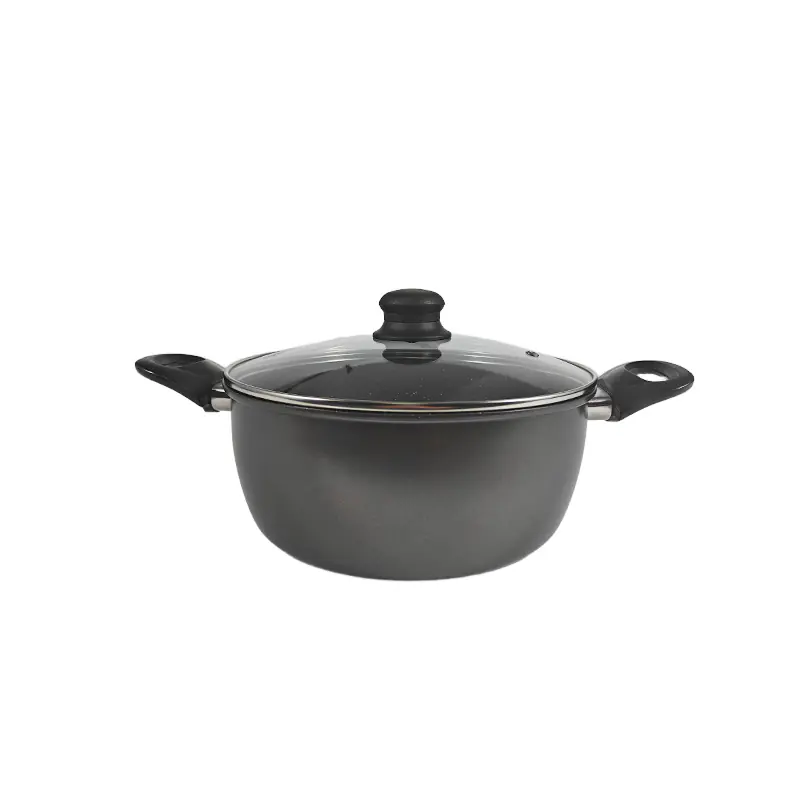
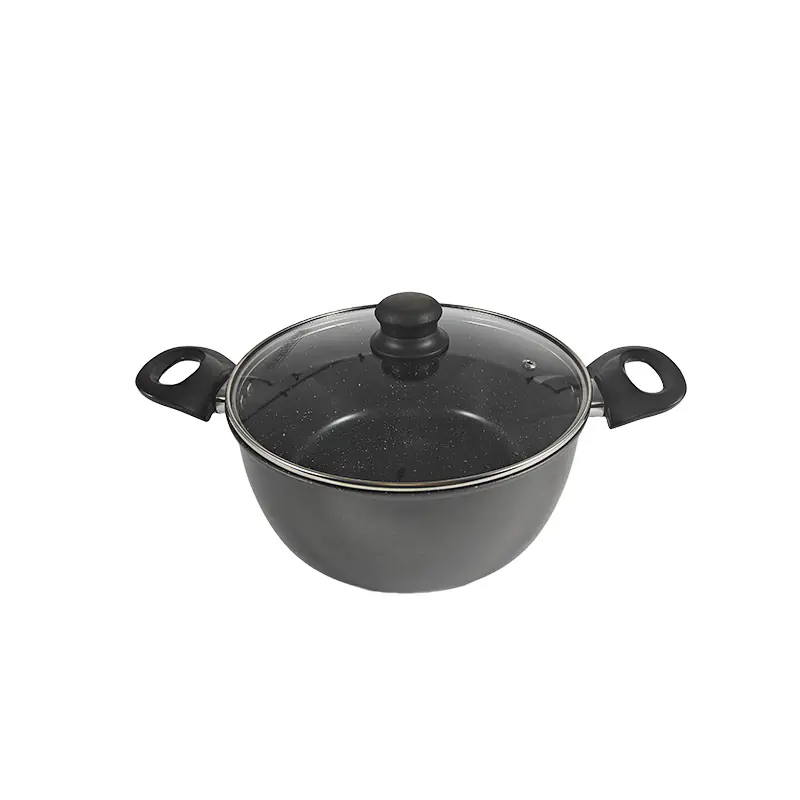

Product Development & Sourcing
-
Market Trend Analysis
-
Product Procurement
-
Photography & Marketing Support

Flexible Payment Terms
-
Multiple options: T/T, L/C, D/P, O/A

Product Design & Packaging
-
Industrial & Graphic Design

Production & Quality Management
-
End-to-End Manufacturing
-
Quality Control & Safety Testing
-
Inspections & Reporting

Shipment Arrangement
-
Mixed Container Shipping
-
25-Day Fast Delivery
-
Warehousing & Inventory Management

After-Sales Support
-
Dedicated Customer Service
-
Ongoing Assistance







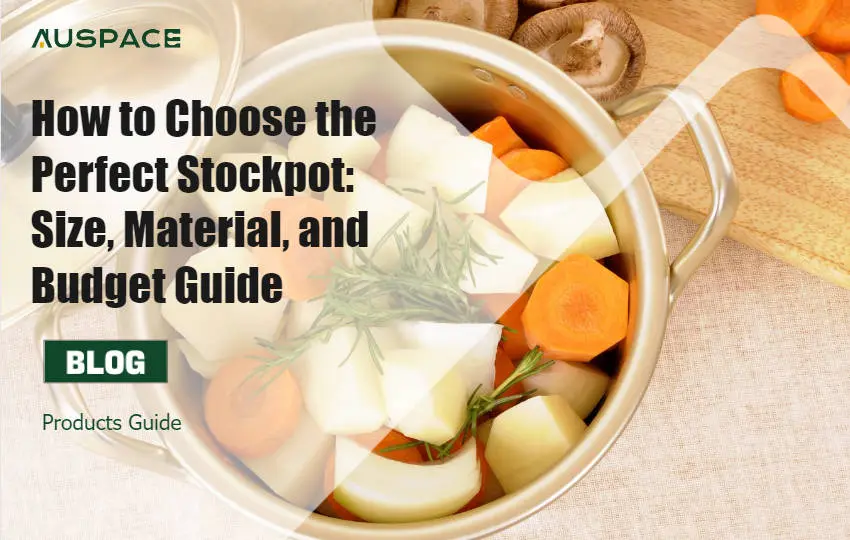
How to Choose the Perfect Stockpot: Size, Material, and Budget Guide
A stockpot is the workhorse of any kitchen — the pot behind Sunday soups, weekend bone broth, pasta night for a crowd, and the seafood boil that feeds the whole table. Yet it is also one of the most commonly mis-purchased pieces of cookware: too small for the job, made from the wrong material, or priced far above the value it delivers. Choosing well comes down to three decisions: the right size for your cooking volume, the right material for your cooking style, and a budget that reflects how the pot will actually be used. This guide walks through each decision in practical terms — whether you are buying one pot for a home kitchen or stocking a product line for retail, catering, or restaurant supply. How to Choose the Right Stockpot Size Size is the first spec to lock down, because it determines what the pot can physically do. A stockpot that is too small boils over; one that is too large wastes energy and takes up storage. Quick Size Chart Capacity Best For Typical Users 6–8 qt (5.7–7.6 L) Daily soups, pasta, blanching 1–4-person households 8–12 qt (7.6–11.4 L) Batch cooking, meal prep, family stock 4–6-person households, meal
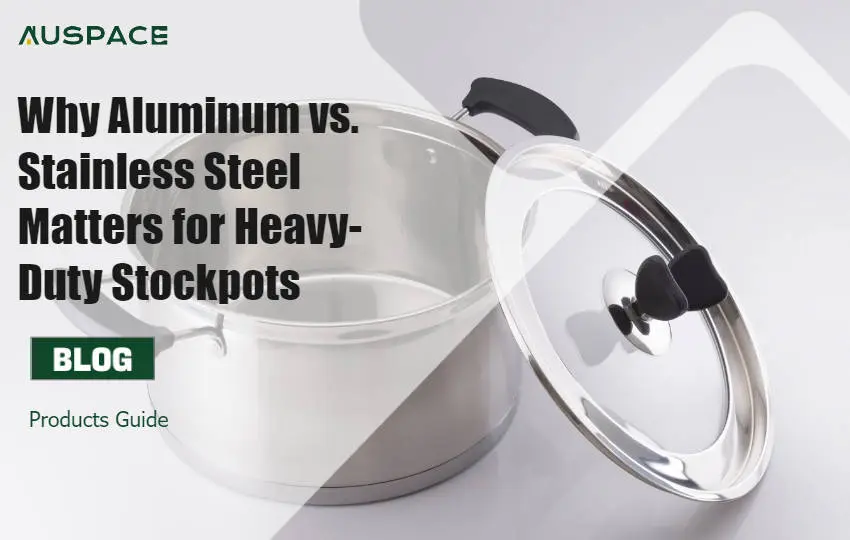
Why Aluminum vs. Stainless Steel Matters for Heavy-Duty Stockpots
If you are a distributor filling a container, a retailer building a house brand, or a procurement manager stocking a restaurant chain, you have asked this question more than once: aluminum or stainless steel? You know the price difference. You have seen both sell. But when a buyer asks you which material actually belongs in their kitchen — and why — the answer is never as clean as a catalog page makes it look. This article is for the people whose margins and reputations depend on getting that answer right. No brand fluff. No “it depends” and walk away. Just the physics, the trade-offs, and the sourcing logic that separates a stockpot your customers love from one they return. Aluminum vs. Stainless Steel: The Core Physics That Drive Performance Before we talk about cost or durability, we need to talk about what happens when you put a stockpot on a burner. The two materials behave fundamentally differently — and that difference starts at the atomic level. Thermal Conductivity: Why Aluminum Heats Faster Aluminum has a thermal conductivity of approximately 237 W/m·K. Stainless steel? Roughly 15 W/m·K — about fifteen times lower. In practical terms, this means an aluminum stockpot transmits
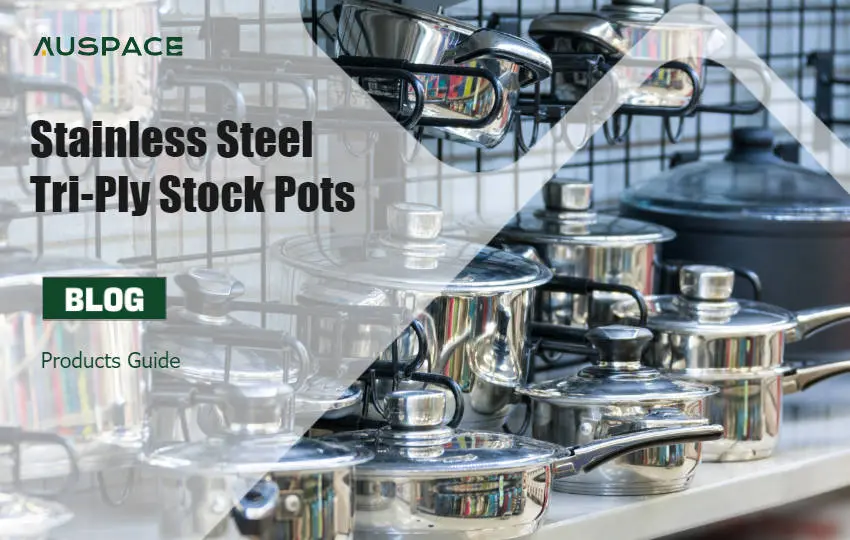
Stainless Steel Tri-Ply Stock Pots: The Ultimate Sourcing Guide for Catering Brands
Whether you’re sourcing cookware for a catering brand, restaurant supply business, or private-label collection, choosing the right stock pot can have a lasting impact on product quality and customer satisfaction. With so many materials and constructions available, finding the best balance of performance, durability, and value isn’t always straightforward. This guide explores everything you need to know about stainless steel tri-ply stock pots—from materials and manufacturing to OEM options and sourcing tips—helping you make confident purchasing decisions for your business. Why Catering Brands Choose Tri-Ply Stock Pots In commercial kitchens, cookware is used for hours every day under high temperatures and heavy workloads. A stock pot that heats unevenly, warps over time, or consumes excessive energy can slow kitchen operations and increase costs. That’s why many catering brands and professional chefs prefer stainless steel tri-ply stock pots, which combine excellent thermal performance with long-lasting durability. Faster and More Even Heat Distribution The biggest advantage of tri-ply construction is its ability to distribute heat evenly across the entire cooking surface and sidewalls. A layer of aluminum is bonded between two layers of stainless steel, allowing heat to spread quickly instead of concentrating in one area. This even heat distribution helps: For
